Gyula Hegedűs (Hungary) – president of U.I.S Cave Rescue Commission
Martín González Hierro (Spain) – Head of the Local Organising Committee
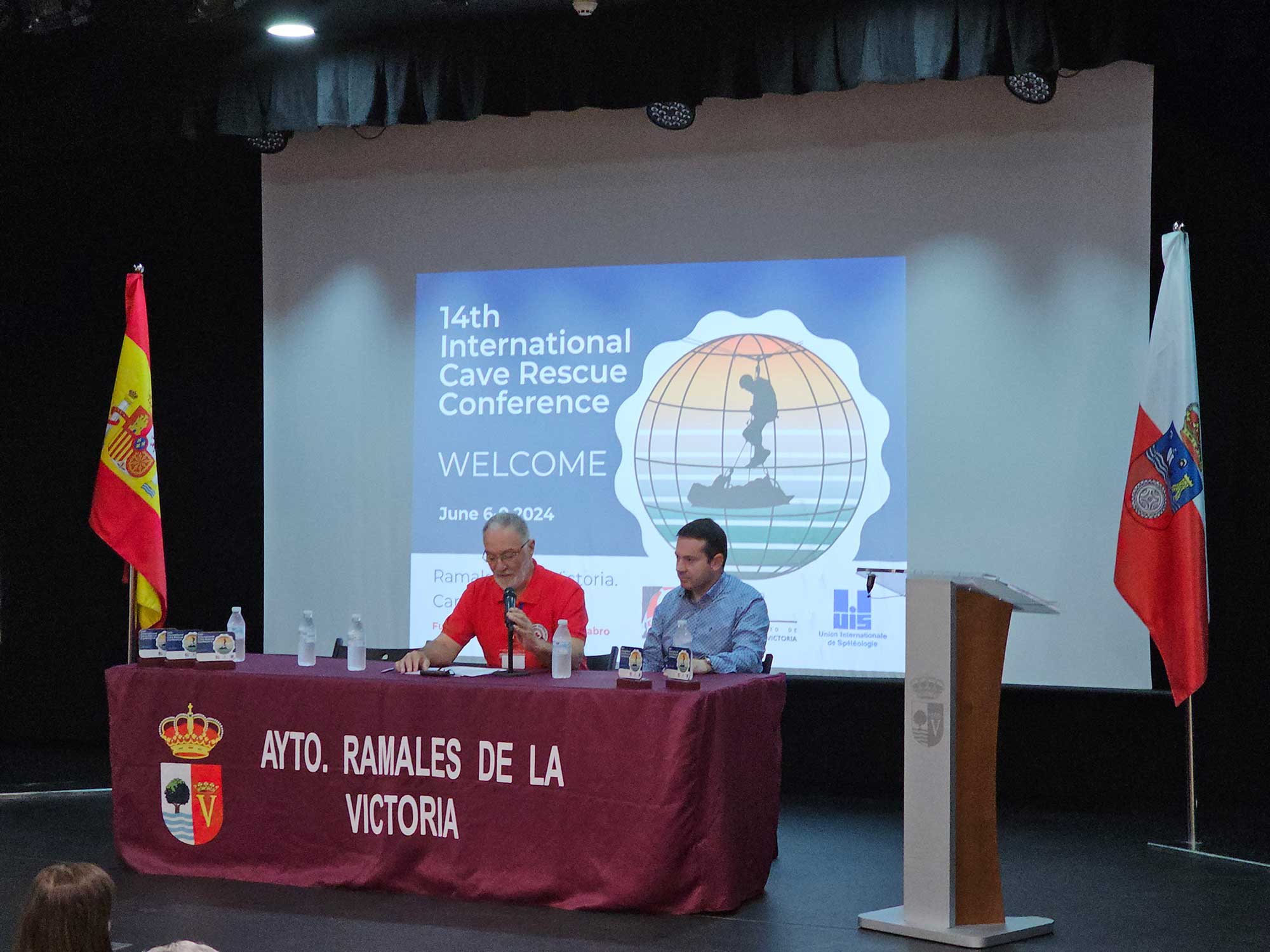
14th International Cave Rescue Conference – Report
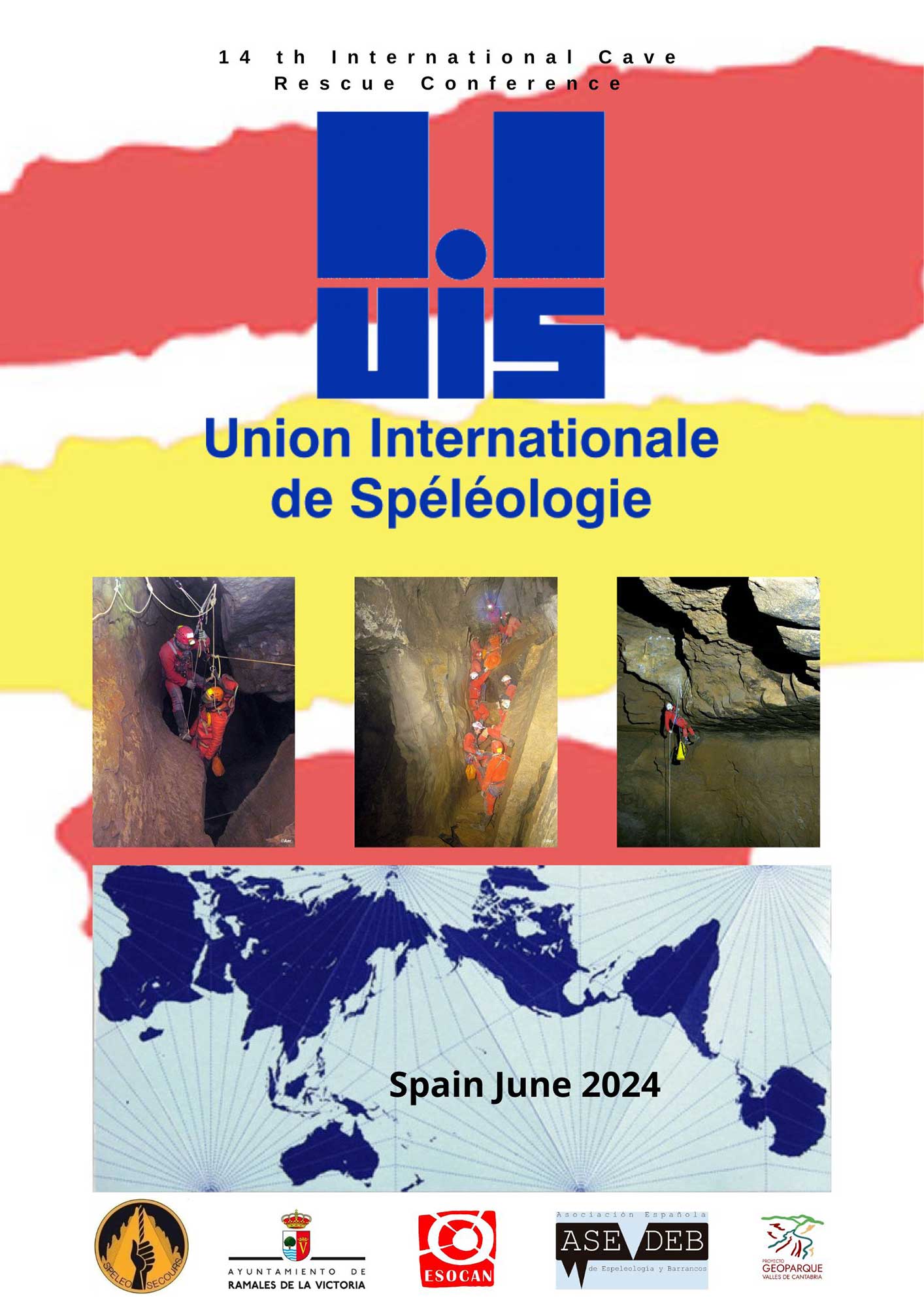
The UIS Cave Rescue Commission (CRC) was founded in 1965 as one of the first three original Commissions of the UIS. The commission has worked well over the past decades. The CRC held conferences in several countries over the past four years and it also held meetings during the various International Congresses of Speleology (ICS).
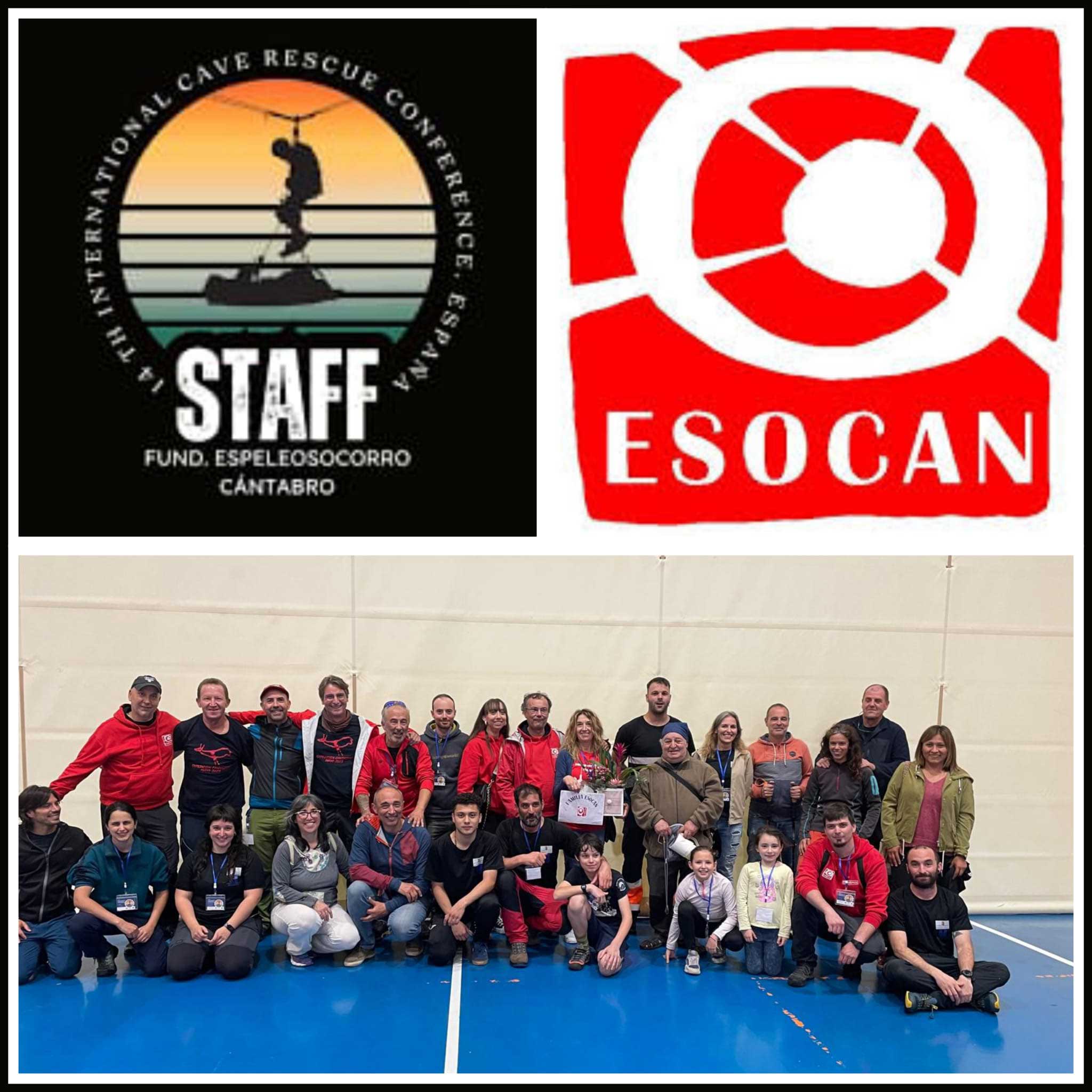
The 14th International Cave Rescue Conference (ICRC) have been organised by the Fundación Espeleosocorro Cántabro, ESOCAN which has more than 120 federated volunteers and on behalf of the International Union of Speleology. ICRC was held in Ramales de la Victoria/Cantabria/Spain between 6-9 June 2024.
ICRC provided great opportunity to discuss and decide how to continue and develop our efforts in the area of Cave Rescue. The main goals of that CRC are to promote cave rescue and provide information to all UIS member counties. We plan to build closer relationships and collaboration among cave rescue organizations all through the world. We also plan to assist countries where more help is needed to make them more effective as first responders to cave accidents. This conference provided an excellent opportunity to get to know each other better, learn from each other’s experiences, and strengthen international cooperation.
The theme of the conferences was ”Cave rescue from cavers to cavers”.
The main objectives of the organisation have been:
- Establish cooperation among cave rescue organisations of the UIS member countries and regional cave rescue organisations;
- CRC has to create communication channels.
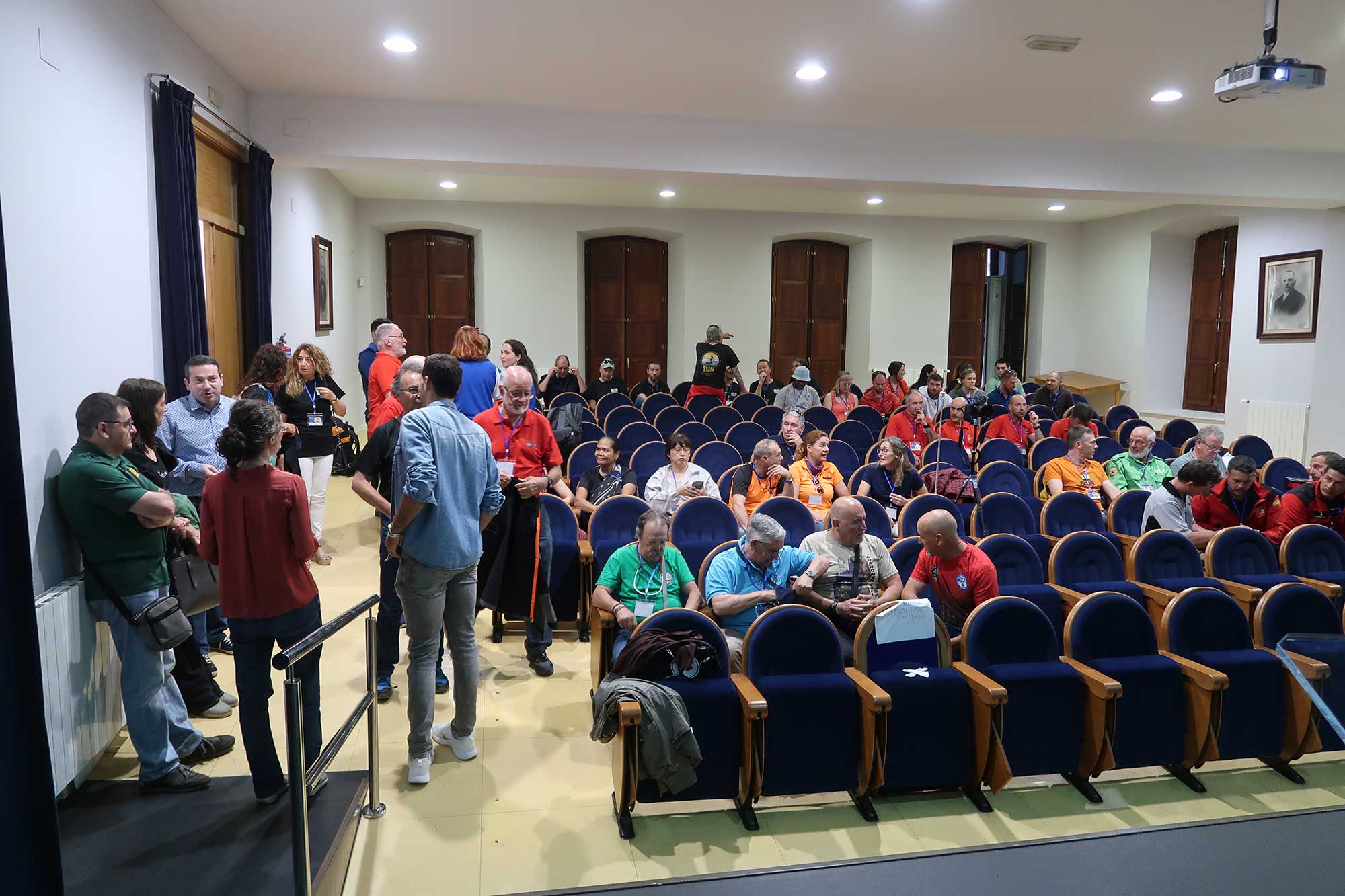
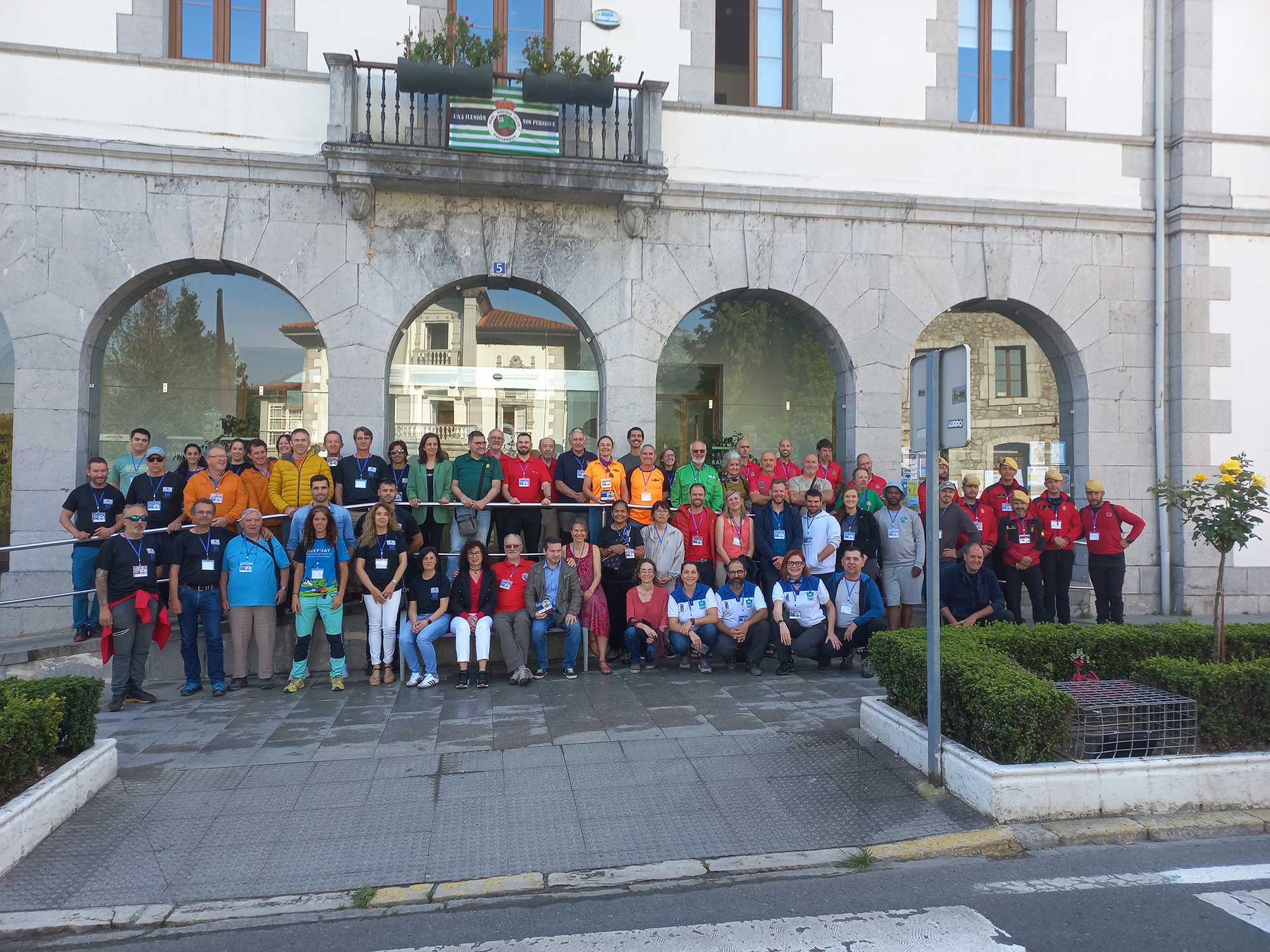
82 people registered from 15 countries for the event and finally 84 people from 13 countries participated (Australia, Brazil, China, Czech Republic, Hungary, Indonesia, Japan, Poland, Romania, Russia, South-Africa, Spain, United Kingdom).
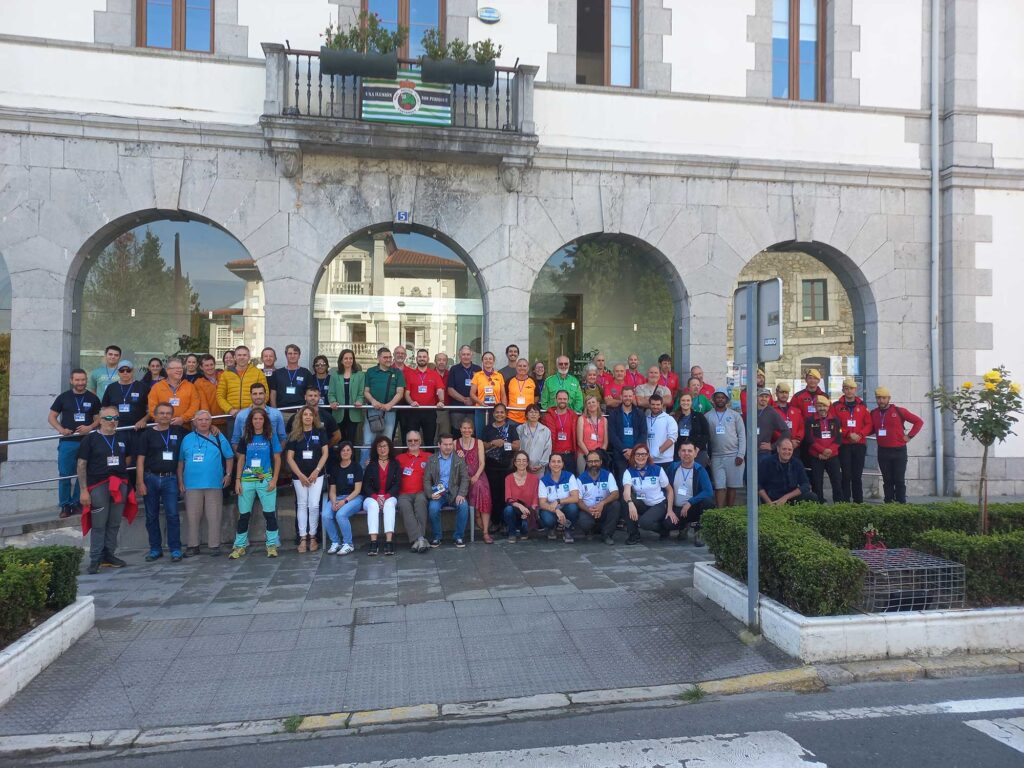
Most relevant presentations were:
- Juliana Bortone (Brazil) – Brazil 2025 – The 19th International Congress of Speleology and 65 years of the UIS
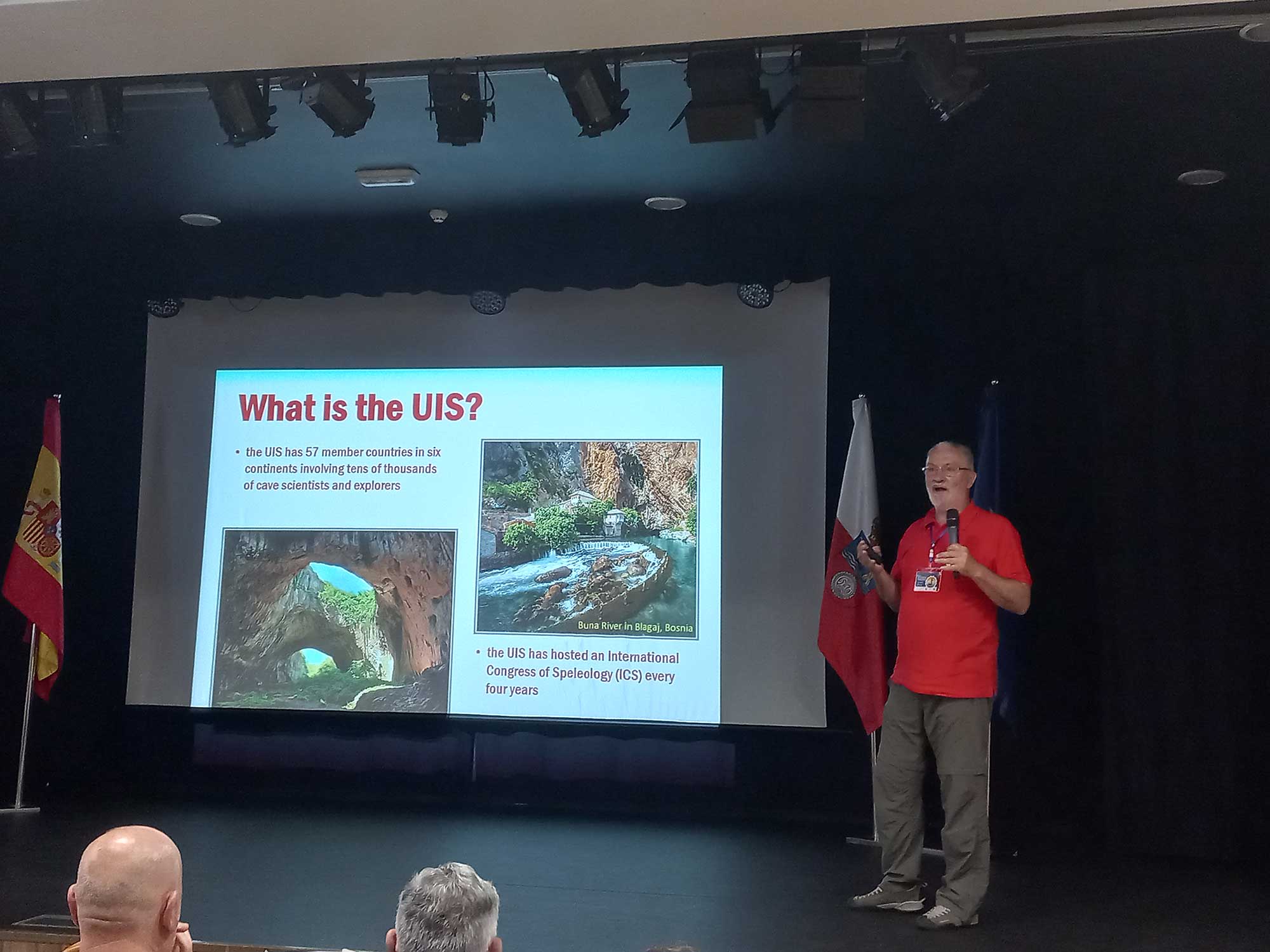
- Gyula Hegedűs (Hungary) – History of UIS Cave Rescue Commission
- Yuniat Irawati (Indonesia) – Sport Massage: Benefit and Focuses of Area What Massage Therapy Needs for Caver During Vertical Caving Activity
- Brian Evans (Australia) – Cave Rescue in Australia
- Justin Hall (New Zealand) – New Zealand Cave Search & Rescue
- Juliana Bortone (Brazil) – The Brazilian Cave Rescue Structure
- Simone Devus (Brazil) – The Brazilian Management of Cave Rescue – Structure and Learning
- Miklos Nyerges (Hungary) – Hungarians in the Operation Deep Purple
- Manuel Sellés (Spain) – Fracturing with expansive gases
The conferences featured other interesting presentations:
- Caves of Burgos – from Edelweiss group.
- The Cueva de las Estegamitas – from the scientific committee of the Cueva de las Estegamitas.
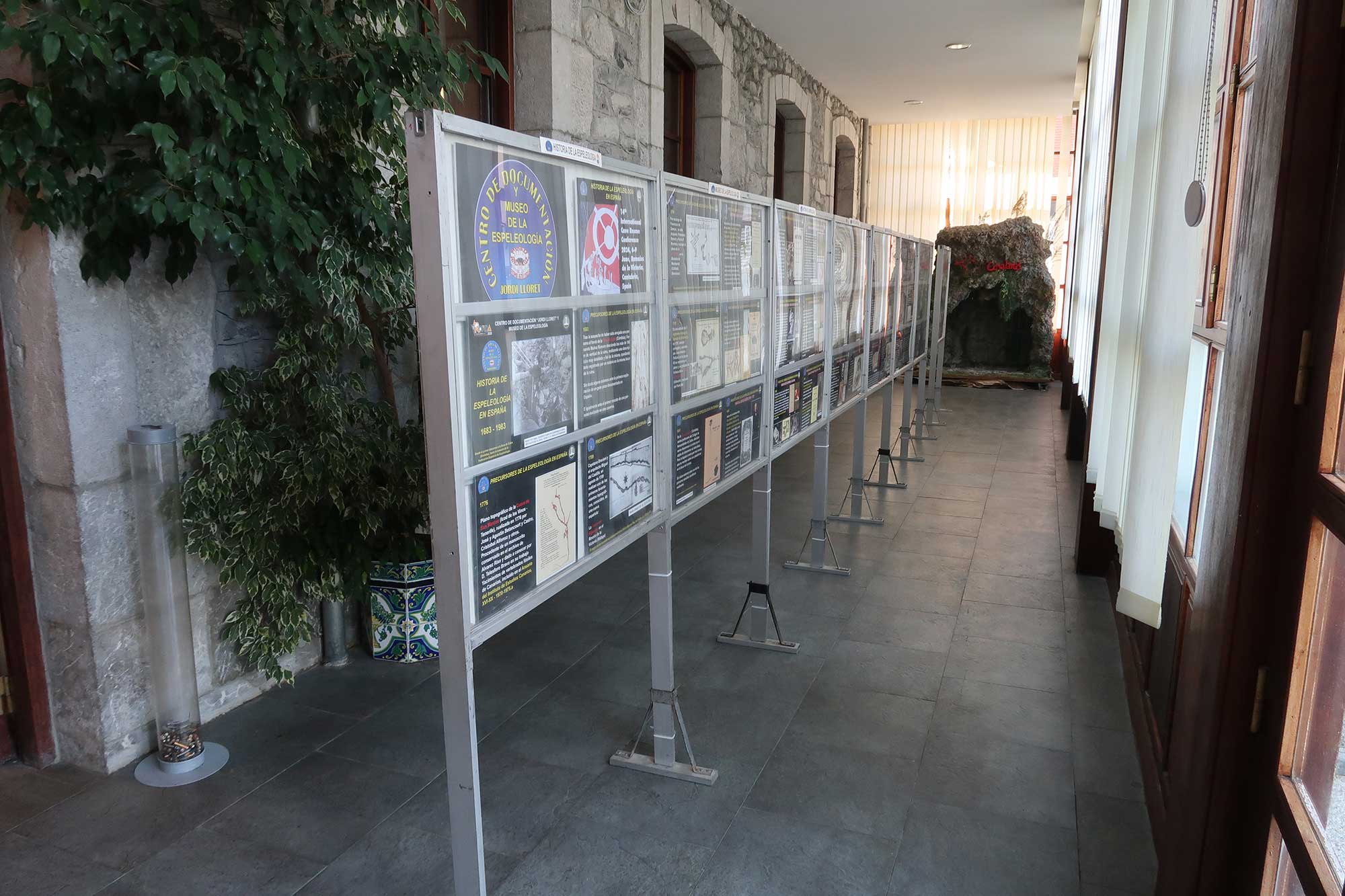
- History of caving in Spain. from the Museum of Speleology
- Art exhibition by Ian Ellis Chandler: The artist of the cavites.
- Caving in vertical rescue competitions
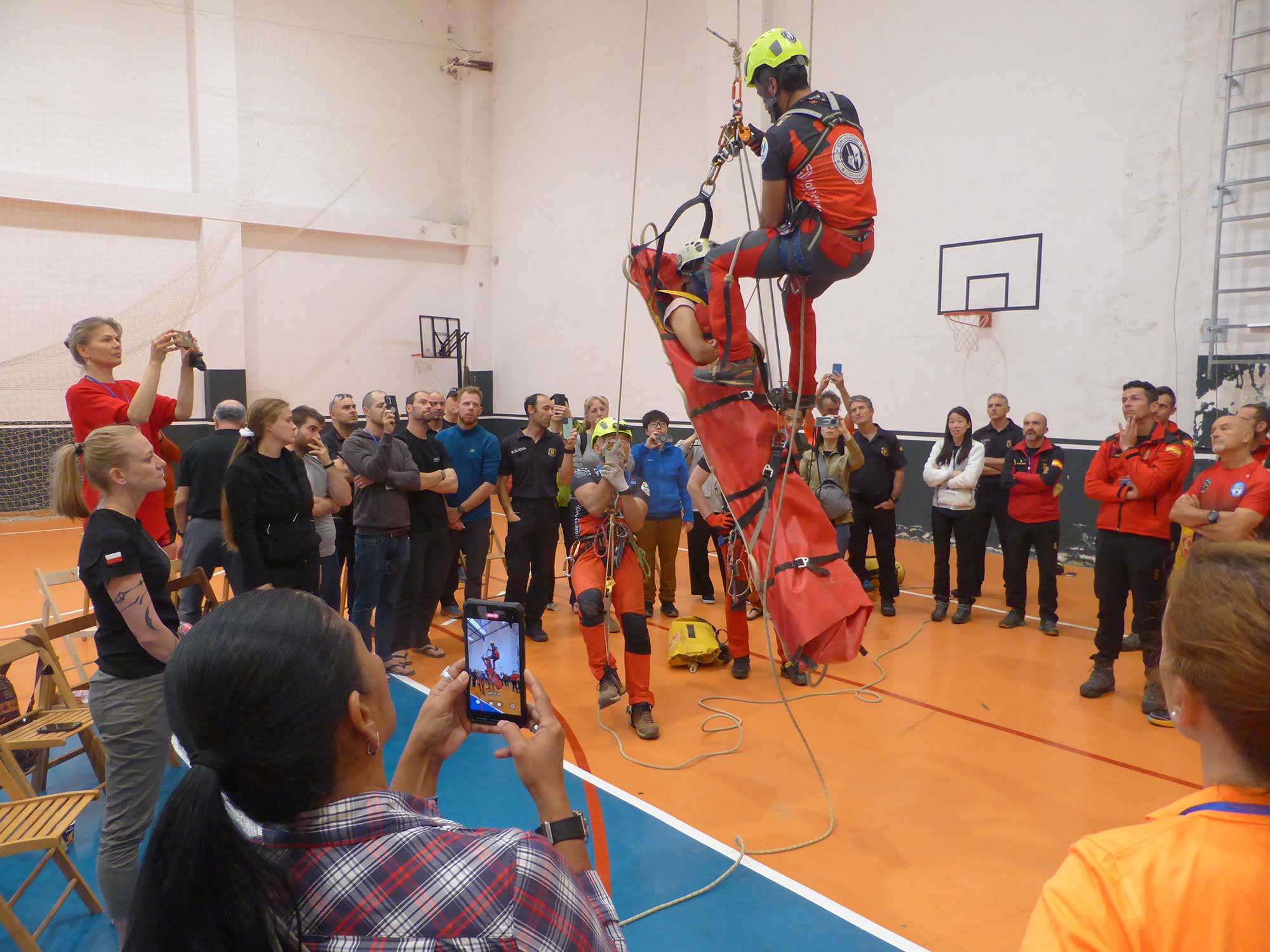
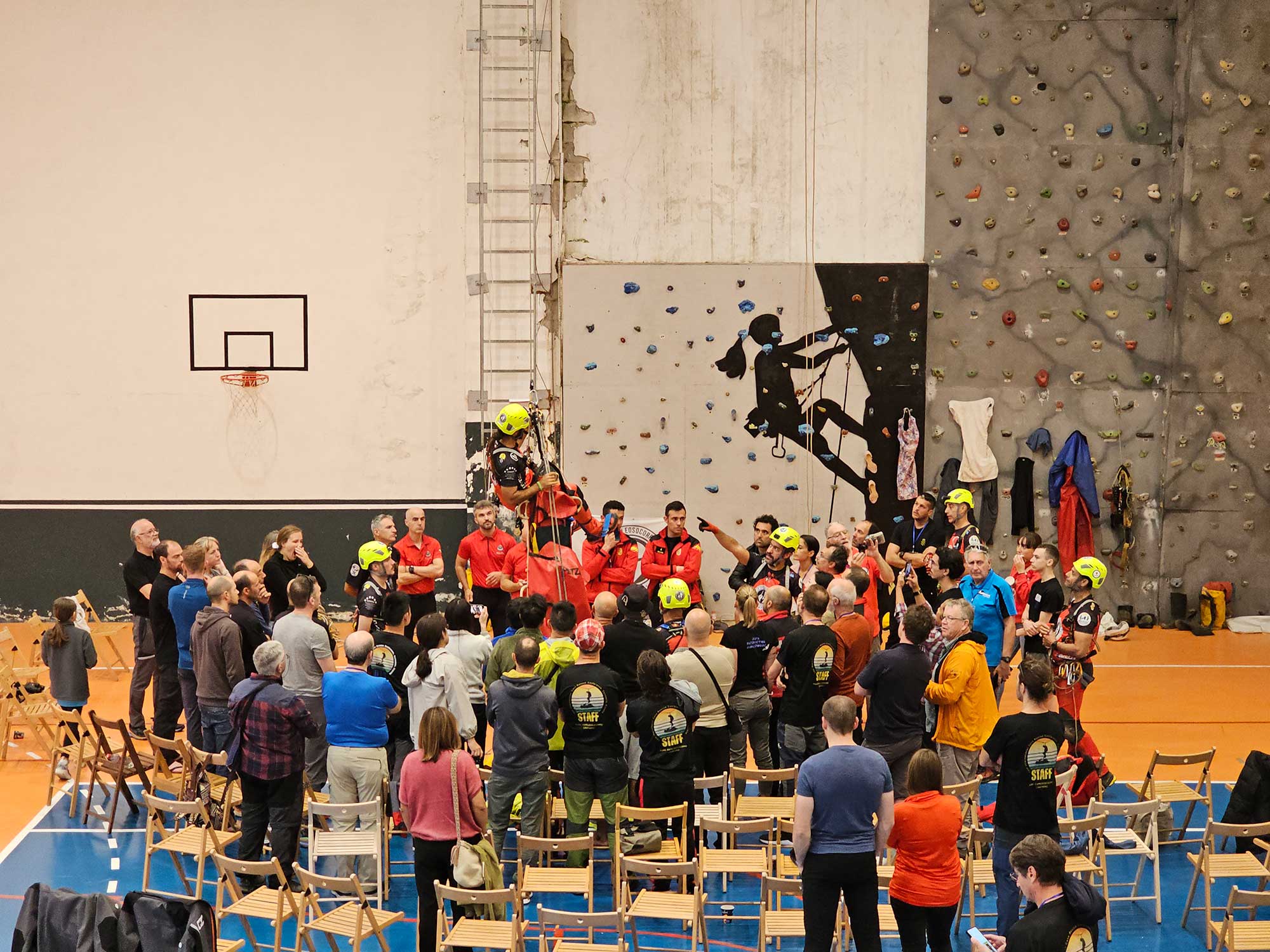
Besides them there were a video titled “Caving Rescue in Vertical Rescue competitions” and a half day demonstration: Cave Rescue Without Borders
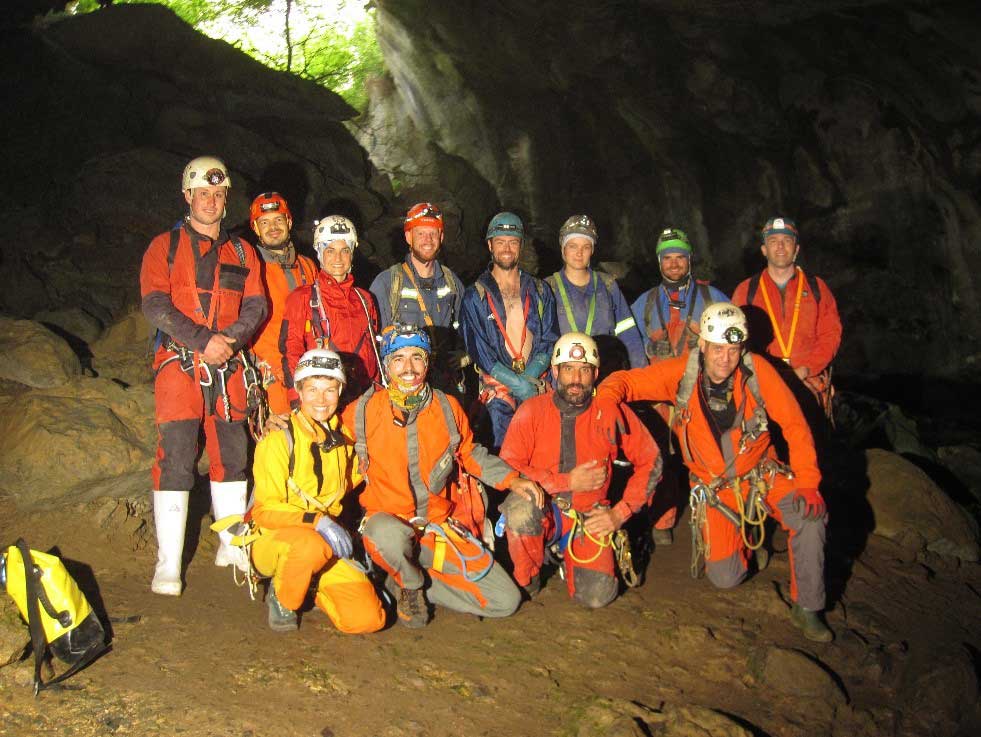
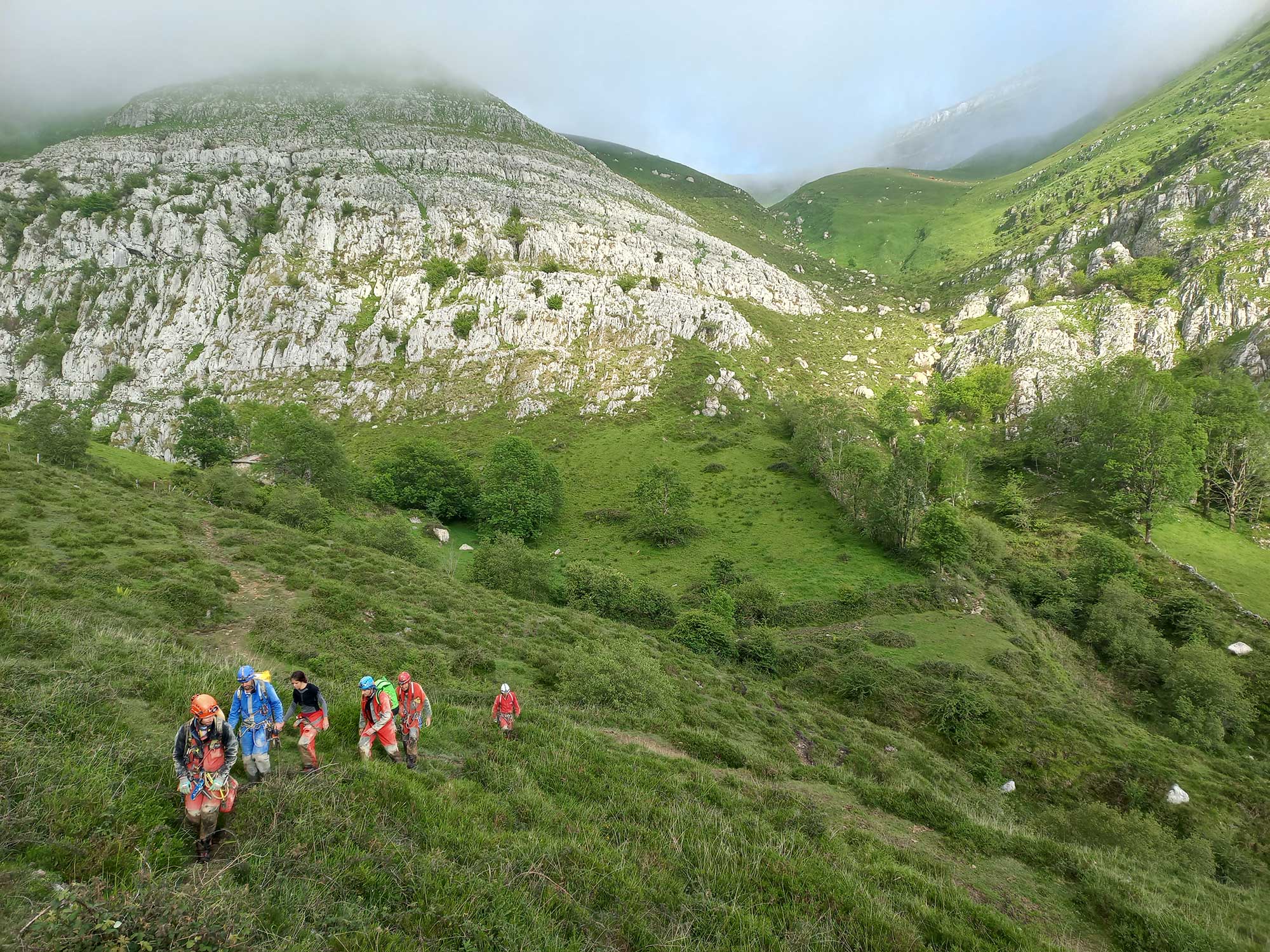
During the Conference participants could do many many visit in caves and other caving activities as follows:
- Covalanas Cave: During the conferences, all the places available for visits to the Covalanas cave were reserved. World Heritage Cave with access restricted to 3 visits of 4 people per visit. In the end, 10 people participated
- Cullalvera: This natural cavity adapted for all audiences was visited by 10 people.
- Mur Cave: A natural cavity of low difficulty was visited by 9 participants in three different visits.
- Coventosa: A natural cave of medium difficulty was visited by 18 participants in 4 visits.
- Torca del Porrón: Throughout the conferences, 4 different teams and a total of 20 participants managed to descend this demanding cave.
- Altamira Museum: A total of 15 participants visited the neo-cave of Altarmira and the museum.
In connection with the last presentation of the ICRC, we discussed that what we want from the CRC, how it can help the community of cave rescuers worldwide. In addition we also dicussed how the members of the CRC can help, and what kind of contribution they can offer in order to achieve the jointly defined goals, who and how can support the work of the CRC.
As the last official event of the ICRC, the participants said goodbye to each other at a party in a good mood.
We would like to thank the International Union of Speleology for the trust and the opportunity to organise that event. Thank you to the town council of Ramales de la Victoria for their unconditional and constant support and to all the volunteers of the ESOCAN Foundation who have collaborated with their effort, talent and patience in the organisation of these Conferences.
THANK YOU ALL VERY MUCH!
Presentations
Sport Massage: Benefit and Focuses of Area What Massage Therapy Needs for Caver During Vertical Caving Activity
Yuniat Irawati, Indonesia
Cavers for cavers – History of UIS Cave Rescue Commission
HEGEDŰS, Gyula
Present and Future of UIS Cave Rescue Commission
HEGEDŰS, Gyula
Cave Rescue in Australia
Brian Evans
New Zealand Cave Search & Rescue 2024
Justin Hall
Photo gallery